What Is It Like Being A Concert Photographer?
May 23, 2026
My Life As A Professional Concert Photographer
People usually imagine concert photography as nonstop excitement. Loud music, famous bands, backstage access, and the best seat in the house. Parts of that are true, but the reality of being a concert photographer is much different. After eleven years of shooting concerts professionally, I can say the job sits somewhere between controlled chaos and quiet observation.
You don’t attend concerts the way everyone else does. You work inside them.
The Day Starts Before the First Song
A concert photographer’s day rarely starts at showtime. It starts with emails, credentials, contracts, and schedules. You confirm access, review photo restrictions, and figure out exactly where you’re allowed to stand. Some shows allow a full set (rarely). Others limit you to the first three songs (most). Every venue restrict flash. Others restrict movement.
Preparation matters. You check batteries, clean lenses, format cards, and pack backups. When something fails mid-set, there’s no second chance. The band doesn’t stop because your camera does.
You Learn to Work Fast and Think Faster
Most concerts follow the “first three songs, no flash” rule. That gives you roughly ten minutes to capture everything you need. You don’t get warm-up time. You don’t get retries. For my Garth Brooks Cincinnati concert, I was allowed 4 minutes. That’s it.
You watch body language before the lights go up, noting where band members stand and how they move. You anticipate lighting changes and hit your marks early. When the singer jumps, you already know where they’ll land.
Experience teaches you to read a show before it fully unfolds. After years in the pit, instincts take over. You react without thinking because thinking wastes time. 33 years of attending concerts as a fan is also very beneficial to being a concert photographer. I am very familiar with every aspect of the concert going process.
The Photo Pit Is Its Own World
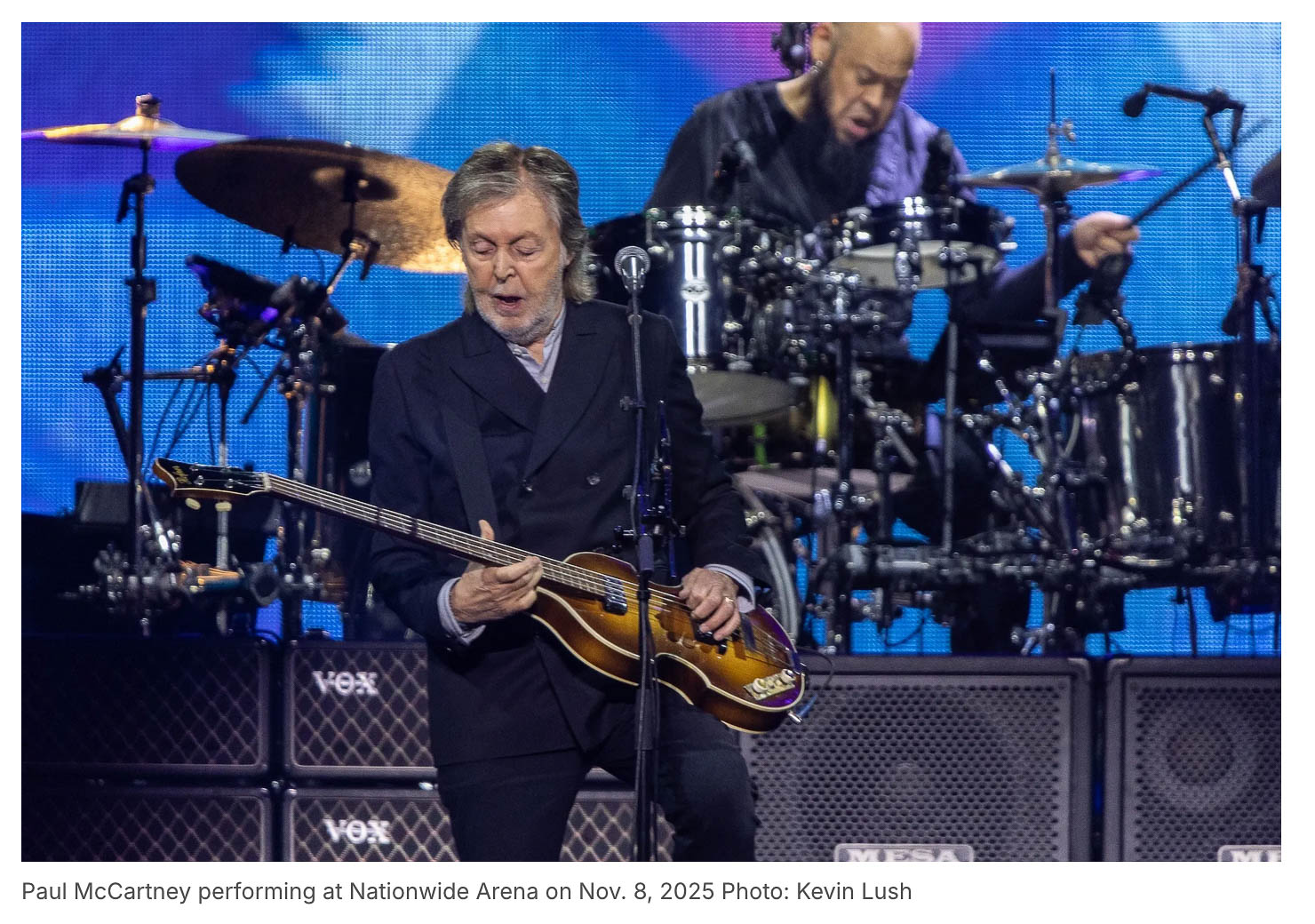
The photo pit feels intense but controlled. Security lines the barricade. Fans press forward from behind. Photographers move constantly but respectfully. Everyone understands the clock.
You kneel, shoot, move, and repeat. It is hard to avoid blocking sight lines. You stay aware of elbows, cables, and stage dives. You protect your gear and the people around you. Sometimes, you have to protect your gear from getting beer spilled on it by fans. That is never a fun time.
Despite the chaos, the pit often feels oddly quiet. You tune out the crowd and focus on rhythm, light, and expression. The music becomes a timing cue instead of entertainment.
Lighting Makes or Breaks Everything
Concert lighting looks great to the audience and brutal to cameras. Bright strobes, deep shadows, saturated colors, and fast changes push equipment and technique to the limit.
You constantly adapt and adjust setting on the fly. You accept that some moments won’t work and move on immediately.
Good concert photographers don’t fight the light. They use it. I wait for clean moments. I lean into contrast and mood instead of trying to force perfection. As I have said for years, anticipation is what makes me a great photographer.

You Miss the Show While Capturing It
One of the biggest surprises for people outside the industry is this: concert photographers don’t really “watch” concerts.
I experience the show through a viewfinder. I notice gestures alongside of melodies. For some bands, I remember light cues instead of lyrics. For others, I can’t stop singing along. When the set ends, you often realize you never heard half the songs.
That tradeoff becomes normal. The satisfaction comes from knowing you captured something meaningful, not from singing along.
The Work Continues After the Lights Go Down
The job doesn’t end when the band leaves the stage. I back up files immediately upon returning home. I review images while details stay fresh. Then comes the selection of the frames that actually tell the story of the night.
Editing concert photos requires restraint. You correct exposure and color without killing the atmosphere. You preserve grit, sweat, and energy. Over-editing ruins authenticity.
The two publications I shoot for, CityBeat Cincinnati and CincyMusic.com have a 10am next day deadline. They always have my photos before I go to bed after the concert.
Access Doesn’t Mean Glamour
People assume access equals luxury. In reality, most concert photographers spend their nights hauling gear, standing for hours, and driving home late. You shoot in packed venues, tiny clubs, and massive arenas. You deal with bad angles, strict rules, and unpredictable conditions.
The job rewards consistency, not ego. The goal stays the same whether you’re shooting a local opener or a global headliner.
Why It’s Worth It
After eleven years, the appeal hasn’t faded. Concert photography lets you freeze moments that disappear instantly. You document energy, connection, and performance in a way nothing else can.
You learn patience, timing, and awareness. I love to work under pressure and still create something intentional. You become invisible while standing inches from the stage.
Being a concert photographer isn’t about free shows or backstage passes. It’s about earning trust, working fast, and delivering images that feel as powerful as the music itself.